Introduction
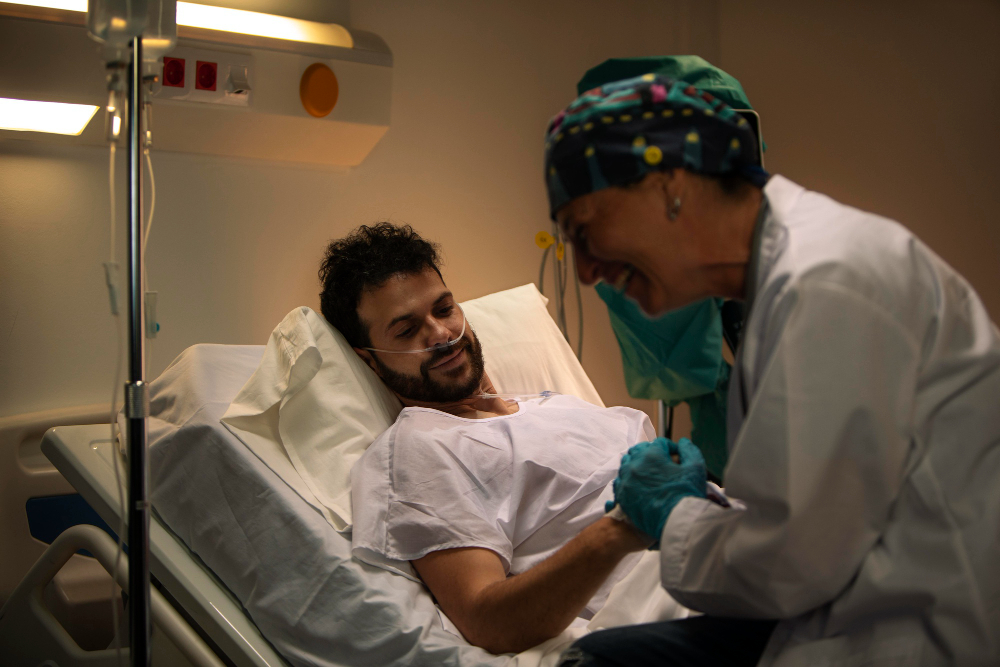
Recovery after major surgery weeks 1‑4 is a crucial time. During this period, your body starts to heal and adjust. Each week brings changes, so knowing what to expect after major surgery can help you feel more prepared. A clear post-surgery recovery timeline helps you track your progress and spot any problems early. According to the CDC, following your care plan helps prevent complications and supports healing. Let’s explore what happens during the first four weeks after surgery.
Week 1: Immediate Post-Op Recovery
Right after surgery, your body needs rest. You may feel tired, sore, or weak. Pain is common, but your care team will help manage it. During this week, you should focus on:
However, if you notice redness, pus, or a fever, contact your doctor right away.
Week 2: Early Healing
By week two, you may start to feel a bit stronger. Still, your body is healing, so take things slow. During this stage, you can expect:
Additionally, drink plenty of water to stay hydrated. If you have questions about your diet, ask your care team for advice.
Weeks 3‑4: Regaining Strength
As you enter weeks three and four, you may notice more energy. Still, listen to your body and pace yourself. Here’s what to expect during this time:
Remember, everyone heals at a different pace. Do not rush your recovery.
Tips for a Smooth Recovery
There are many ways to help your body heal after surgery. Try these surgery recovery tips to support your progress:
Moreover, having a support system can make recovery easier. Do not hesitate to reach out for help.
When to Contact Your Surgeon
Sometimes, problems can happen during recovery after major surgery weeks 1‑4. Contact your surgeon or healthcare provider if you notice:
Also, keep all scheduled follow-up visits. These check-ups help your doctor make sure you are healing well.
In summary, knowing what to expect after major surgery helps you recover safely. For personalized recovery advice, consult your surgeon or healthcare provider.