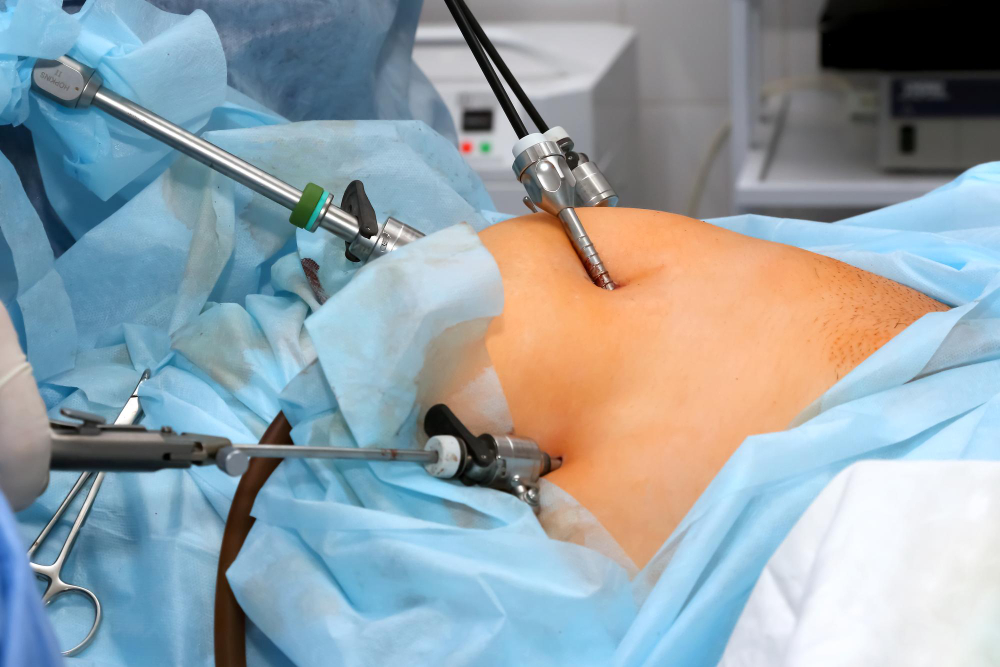
What is Laparoscopic Gastric Bypass?
Laparoscopic gastric bypass is a type of weight loss surgery. Doctors use small cuts and a camera to perform the procedure. This method is called minimally invasive gastric bypass. It helps people lose weight by changing how the stomach and small intestine handle food. As a result, you feel full sooner and absorb fewer calories. Many people choose this surgery because it often leads to lasting weight loss. In the United States, it is a common choice for those seeking help with obesity.
Indications: Who is a Candidate?
Not everyone is a candidate for laparoscopic gastric bypass surgery. Doctors look at several factors before recommending this option. Usually, you may be a candidate if:
However, each person is different. Therefore, a full medical checkup is needed before surgery.
How the Procedure Works
During laparoscopic gastric bypass, the surgeon makes small cuts in your belly. Next, a thin tube with a camera is inserted. This lets the doctor see inside without making a large cut. Then, the surgeon creates a small pouch at the top of your stomach. This pouch is connected directly to a part of your small intestine. Because of this, food skips most of your stomach and part of your intestine. The surgery usually takes two to four hours. Most people stay in the hospital for one to two days.
Benefits of Laparoscopic Gastric Bypass
Laparoscopic gastric bypass offers many benefits. Some of the most important include:
According to the CDC, weight loss surgery can lower the risk of heart disease and some cancers.
Risks and Possible Complications
Like any surgery, laparoscopic gastric bypass has risks. However, most people have no serious problems. Possible risks include:
Because of these risks, it is important to choose a skilled surgeon. Always follow your doctor’s advice to lower your risk of problems.
Recovery and Aftercare
After surgery, recovery is usually faster with the laparoscopic method. Most people go home within two days. However, you will need to follow a special diet. At first, you will drink only liquids. Then, you will slowly add soft foods and later regular foods. Your doctor will give you detailed instructions. In addition, you will need to take vitamins and minerals every day. Regular checkups are important to track your progress and health.
Lifestyle Changes After Surgery
Laparoscopic gastric bypass is not a quick fix. Instead, it is the start of a new lifestyle. After surgery, you will need to:
With these changes, you can keep the weight off and improve your health.
Frequently Asked Questions
For more details, you can visit trusted sources like the CDC or the World Health Organization.
If you are thinking about laparoscopic gastric bypass, consult a qualified surgeon for personalized advice.