Introduction
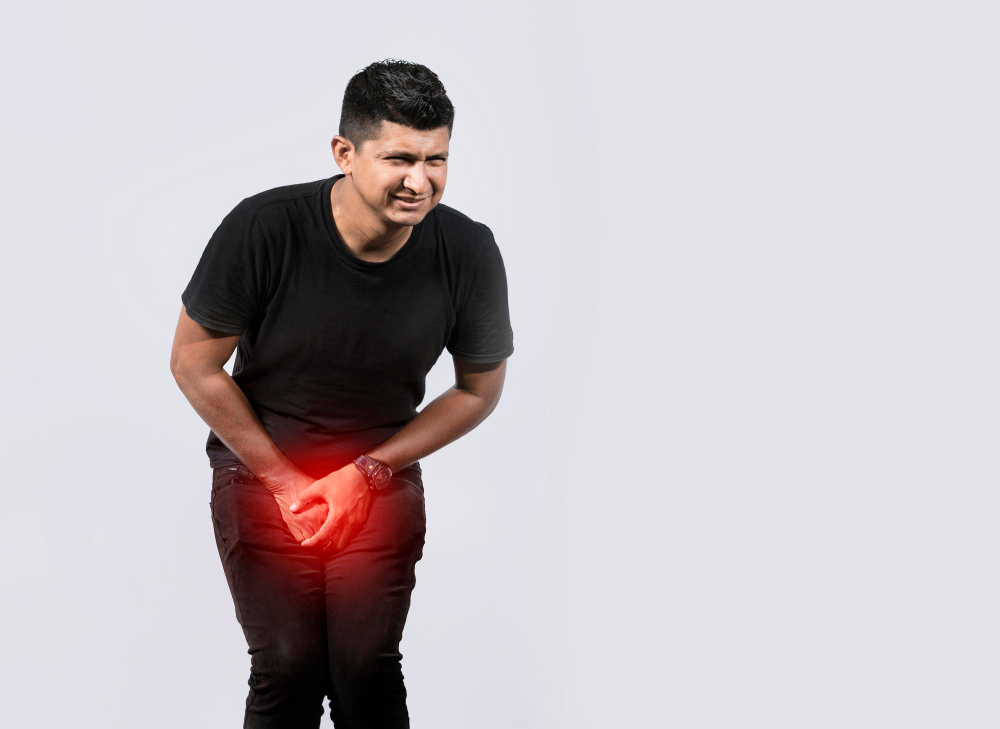
An inguinal hernia happens when tissue, often part of the intestine, pushes through a weak spot in the lower belly. This area is called the groin. Because this condition is common, it is important to know the signs and treatment options. Early care can help prevent problems. According to the World Health Organization, hernias affect millions of people worldwide. Inguinal hernias are the most common type, especially in men. Understanding this condition can help you stay healthy and safe.
Symptoms
Recognizing inguinal hernia symptoms early can make a big difference. Most people notice a bulge in the groin area. However, other signs may appear as well. For example, you might feel pain or discomfort, especially when bending, lifting, or coughing. Sometimes, the bulge goes away when you lie down. But it may return when you stand or strain. Here are common symptoms:
In rare cases, the hernia can become trapped. If this happens, you may have severe pain, nausea, or vomiting. This is an emergency and needs quick medical help.
Causes and Risk Factors
Inguinal hernias develop when muscles in the lower belly become weak. Over time, this weakness allows tissue to push through. Several factors can increase your risk. For instance, some people are born with weak muscles. Others develop weakness as they age. Here are common causes and risk factors:
While anyone can get an inguinal hernia, men are more likely to develop one. Age also plays a role, as muscles weaken over time.
Diagnosis
If you notice a bulge or feel pain in your groin, it is wise to see a doctor. But how is inguinal hernia diagnosed? First, your doctor will ask about your symptoms and medical history. Next, they will perform a physical exam. During the exam, you may be asked to cough or stand. This helps the doctor see the hernia more clearly. Sometimes, imaging tests like an ultrasound or CT scan are needed. These tests help confirm the diagnosis and rule out other problems. Early diagnosis can help prevent complications.
Treatment Options
There are several inguinal hernia treatment options. The best choice depends on your symptoms and overall health. In some cases, your doctor may suggest watchful waiting. This means you monitor the hernia but do not need surgery right away. However, most hernias do not heal on their own. If the hernia causes pain or grows larger, surgery is often needed. Here are the main treatment options:
Inguinal hernia surgery is safe and common. Recovery time depends on the type of surgery and your health. For those seeking inguinal hernia treatment in their city, many hospitals offer both open and laparoscopic options.
Prevention Tips
While not all hernias can be prevented, you can lower your risk. For example, keeping a healthy weight helps reduce pressure on your belly. Here are more tips:
Even small changes can make a big difference over time.
Lifestyle Guidance for Patients
Living with an inguinal hernia may require some changes. However, most people can continue their normal activities. Here are some helpful tips:
After surgery, follow all care instructions. This helps you heal faster and lowers the risk of problems.
When to See a Doctor
It is important to know when to seek medical help. If you notice a new bulge, pain, or swelling in your groin, schedule a doctor’s visit. But if you have severe pain, nausea, vomiting, or the bulge cannot be pushed back, seek emergency care. These signs may mean the hernia is trapped or blocked, which is serious. Early treatment can prevent complications and help you recover faster.
Conclusion
Inguinal hernias are common, but they can be managed with the right care. Knowing the symptoms, causes, and treatment options helps you make informed choices. If you think you may have an inguinal hernia, do not wait. Consult a specialist for personalized guidance.