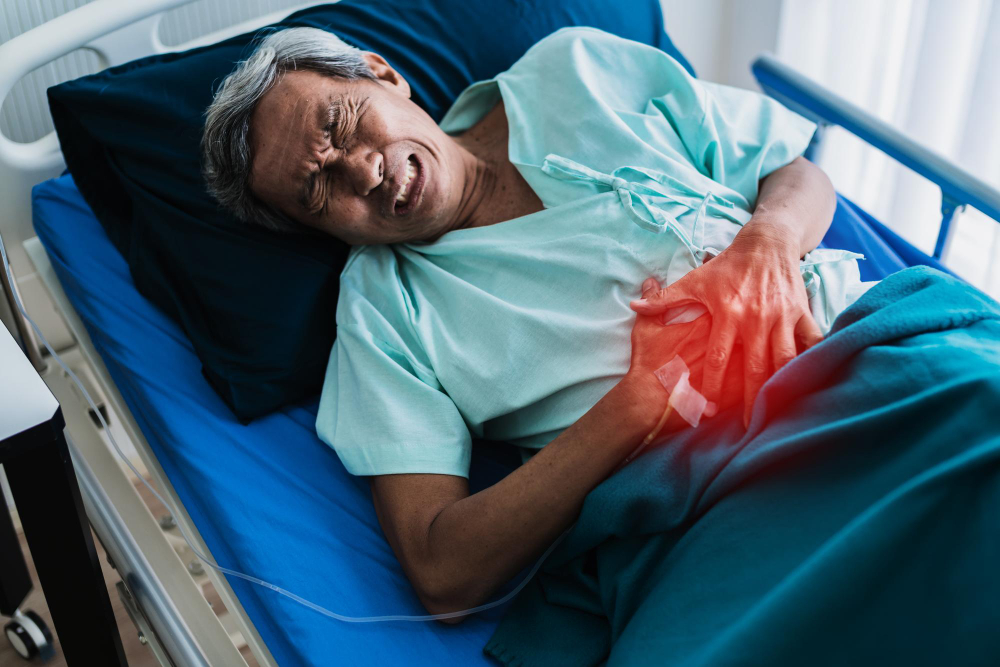
What is Cholecystitis?
Cholecystitis means inflammation of the gallbladder. The gallbladder is a small organ under your liver. It stores bile, which helps digest fat. When the gallbladder becomes inflamed, it can cause pain and other symptoms. Often, cholecystitis happens suddenly. However, it can also develop slowly over time. Early treatment is important to avoid serious problems.
Common Causes of Cholecystitis
There are several reasons why cholecystitis may occur. Most often, it is caused by gallstones. These are small, hard pieces that block the flow of bile. But, other causes can also lead to gallbladder inflammation. For example, infections or injuries may trigger it. Sometimes, tumors or certain illnesses can also play a role.
According to the CDC, gallstones are the most common cause of cholecystitis.
Recognizing Symptoms
Cholecystitis symptoms can appear quickly. But, they may also develop slowly. Knowing the signs can help you seek care sooner. For instance, pain is the most common symptom. Yet, other signs may also appear.
If you notice these symptoms, you should contact a doctor. Early care can prevent complications.
How Cholecystitis is Diagnosed
Doctors use several steps to diagnose cholecystitis. First, they ask about your symptoms and health history. Next, they may do a physical exam. Often, tests are needed to confirm the diagnosis. For example, imaging tests can show if the gallbladder is inflamed. Blood tests may also help find signs of infection or other problems.
These tests help doctors decide the best treatment. The CDC and WHO recommend early diagnosis for better outcomes.
Treatment Options
Gallbladder inflammation treatment depends on how severe the cholecystitis is. In many cases, hospital care is needed. Doctors may use several methods to treat the problem. For example, they may give fluids and pain medicine. Sometimes, antibiotics are needed to fight infection. In some cases, surgery is the best option.
Most people recover well after treatment. However, quick care is important to avoid problems.
Prevention Tips and Lifestyle Guidance
While not all cases can be prevented, some steps may lower your risk. For instance, healthy habits can help keep your gallbladder working well. Eating a balanced diet is important. Also, staying active can help prevent gallstones.
Because sudden weight loss can raise your risk, try to lose weight slowly if needed. The WHO suggests making gradual changes for lasting health.
When to See a Doctor
Cholecystitis can become serious if not treated. Therefore, you should see a doctor if you have severe belly pain, fever, or yellow skin. Also, seek help if your symptoms get worse or do not improve. Early care can prevent serious problems, such as infection or a burst gallbladder.
Do not wait if you have these signs. Quick treatment can make a big difference.
In summary, cholecystitis is a serious condition that needs prompt care. If you have symptoms or concerns, consult a healthcare specialist for personalized advice on cholecystitis.