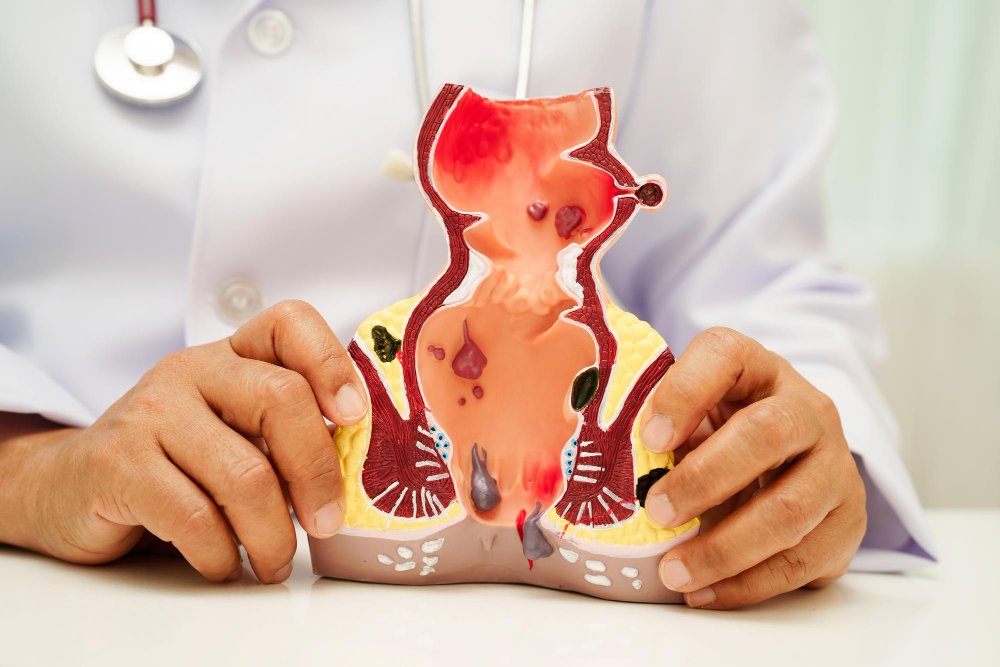
Laser piles treatment is a modern way to treat piles, also known as hemorrhoids. This method uses a focused laser beam to remove or shrink swollen veins in the rectum. Because it is a minimally invasive piles treatment, many people now prefer it over traditional surgery. In fact, laser surgery for piles is becoming popular due to its quick recovery and fewer side effects. If you are searching for a piles laser procedure, this guide will help you understand what to expect.
What Are Piles?
Piles, or hemorrhoids, are swollen veins in the lower part of the rectum or anus. They can cause pain, itching, and bleeding. Sometimes, piles can make sitting or passing stool uncomfortable. Although piles are common, they can affect daily life if not treated. Usually, piles develop due to straining during bowel movements, chronic constipation, or sitting for long periods.
How Does Laser Piles Treatment Work?
Laser piles treatment uses a special laser device to target the affected veins. The laser energy seals the blood vessels, which reduces swelling and pain. As a result, the piles shrink or disappear over time. Unlike traditional surgery, this method does not require large cuts. Therefore, it is called a minimally invasive piles treatment. Most patients experience less bleeding and discomfort during the piles laser procedure.
Benefits of Laser Piles Treatment
Laser piles treatment offers several advantages over older methods. For example, many people choose this option because it is safer and faster. Here are some key benefits:
Moreover, laser surgery for piles is now available in many local clinics and hospitals, making it easy to access.
Who Is a Candidate for Laser Piles Treatment?
Not everyone with piles needs laser treatment. However, you may be a good candidate if:
Still, a doctor will check your health and decide if the piles laser procedure is right for you.
What to Expect During the Procedure
Before the laser piles treatment, your doctor will explain the steps. Usually, the procedure takes less than an hour. First, you may receive local or mild general anesthesia to keep you comfortable. Next, the doctor uses a laser probe to treat the piles. Because the laser is precise, it only targets the swollen veins. After the procedure, you can often go home the same day.
Recovery and Aftercare Tips
Recovery after laser piles treatment is usually quick. Most people return to normal activities within a few days. To help your healing, follow these aftercare tips:
If you notice heavy bleeding, fever, or severe pain, contact your doctor right away.
Risks and Possible Side Effects
Although laser piles treatment is safe, some risks exist. For instance, you may have mild pain, swelling, or minor bleeding after the procedure. Rarely, infection or delayed healing can occur. However, these side effects are less common compared to traditional surgery. According to the World Health Organization (WHO), minimally invasive treatments like laser surgery have fewer risks overall.
Prevention and Lifestyle Guidance
Even after successful piles laser procedure, it is important to prevent piles from coming back. Here are some simple tips:
By following these steps, you can lower your risk of piles in the future.
In summary, laser piles treatment is a safe and effective way to manage piles. It offers quick recovery and fewer side effects. Consult a qualified surgeon to discuss if laser piles treatment is right for you.